Keep a botanical grimoire
Build a plant notebook with identity records, dated observations, traceable correspondences and a botanical entry template. Begin without harvesting or making preparations.
A book for your sources, workings and questions. Begin with one useful entry, then give it room to change.
Start your first book28 October 2026 · P-001
Fictional worked example, not a practice report.
Read the complete exampleChoose the job before the cover. These are modern ways to organise a book, rather than fixed historical categories.
Make your first grimoire with an ordinary notebook, a simple index and one complete entry. Includes a worked example and a reusable template.
Start a grimoireFollow one subject from the first page to a later review. Each workbook includes its own fields, a worked example and a downloadable template.
Build a plant notebook with identity records, dated observations, traceable correspondences and a botanical entry template. Begin without harvesting or making preparations.
Record tarot, runes or scrying with a fixed question, the exact draw or observation, separate interpretations and a later review. Includes a reusable reading template.
Create a household book for thresholds, boundaries, seasonal care and shared routines. Includes an agreed-practice record, a worked doorway example and a maintenance template.
Keep a complete sigil design record: intention, letter reduction, sketches, chosen use, practical action and revision. Includes an illustrated example and a versioned template.
Set up, write, return and revise. Each guide gives you a way to begin with materials you already have.
Download the entry templateMake your first grimoire with an ordinary notebook, a simple index and one complete entry. Includes a worked example and a reusable template.
Compare practice journals, reference grimoires, themed books, digital records and shared books. Choose a structure by the work you want it to do.
Record rituals and divination with clear intentions, actual steps, observations and later reviews. Learn to keep a useful magical practice record.
Collect magical knowledge with traceable book sources, usable instructions and clear adaptation notes. Includes a reference-entry structure.
Plan a focused grimoire for sigils, divination, household rituals, plants, seasonal observation or devotion, with concrete first-page ideas.
Set up a digital grimoire with portable files, stable entry IDs, clear sources, sensible privacy and a backup you can restore.
Keep a grimoire useful with a short review routine, a working index, dated corrections, source checks, backups and a clear way to retire old material.
Explore magical books through the Key of Solomon, Reginald Scot and edition-aware reading. Separate source texts, editorial changes and modern notebook ideas.
Historical case studies begin with a particular edition. Follow the text, the editor’s choices and the questions you can bring to your own source notes.
Begin the historical reading guideA guided case study of Mathers’s 1889 Key of Solomon: edition layers, writing materials and an example source card. Includes a historical reading template.
Read Scot’s Discoverie of Witchcraft through Nicholson’s 1886 edition. Follow a conjuration into its critical context and distinguish the later appendix from the original work.
Choose an existing Okkult practice and use its notebook prompts. These original illustrations show contemporary exercises.
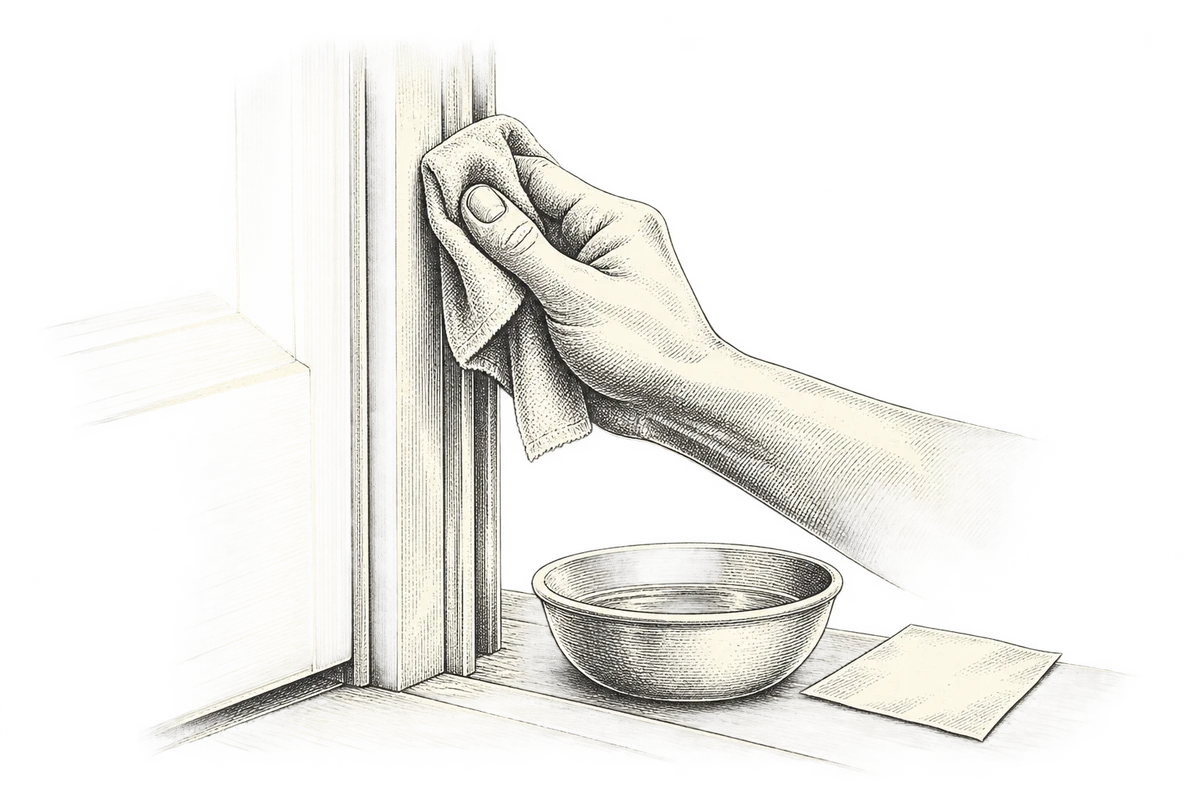 A household page
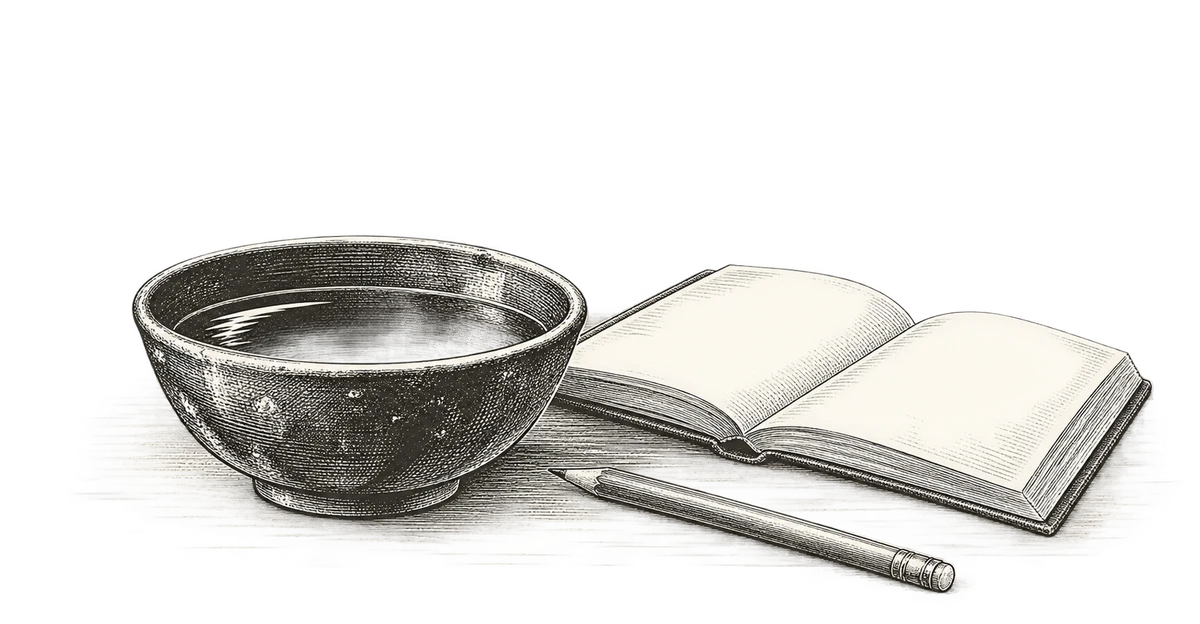 An observation page
 An intention page
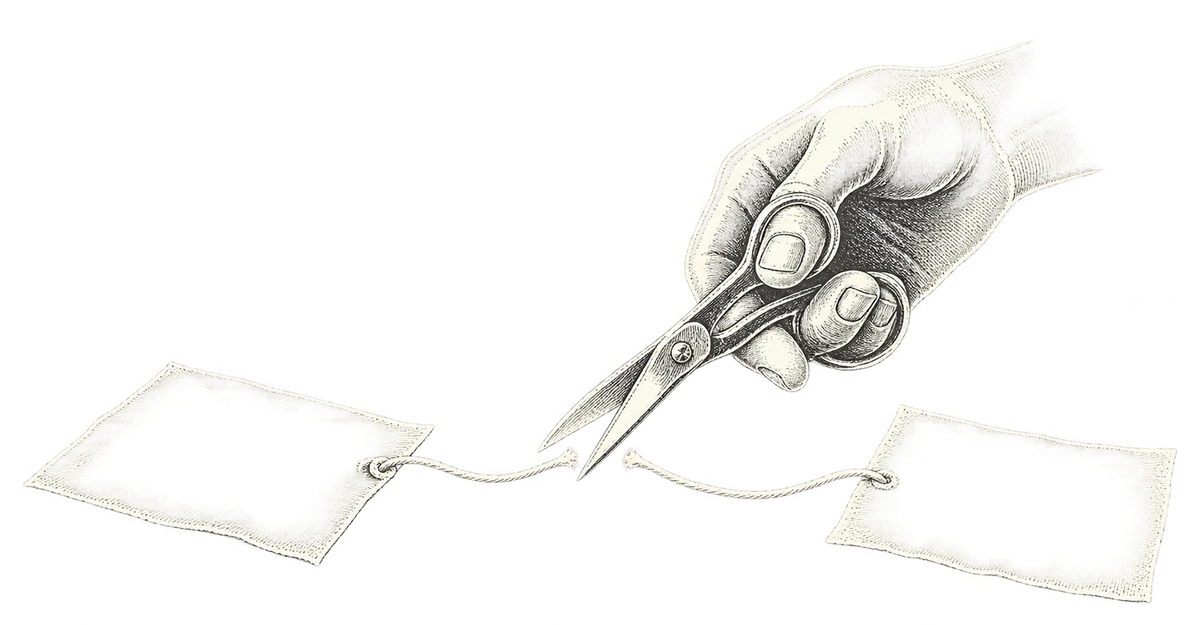 A boundary page
A source is what you read. An adaptation is what you change. A practice record is what you actually do.
Give each its own place. Date your notes, preserve the source, and return to the action before writing a story of success.
Build a source record