The strange-bed dream
Read a short dream-induction recipe as an example of the handbook’s confidence about bodily sensation and prediction.
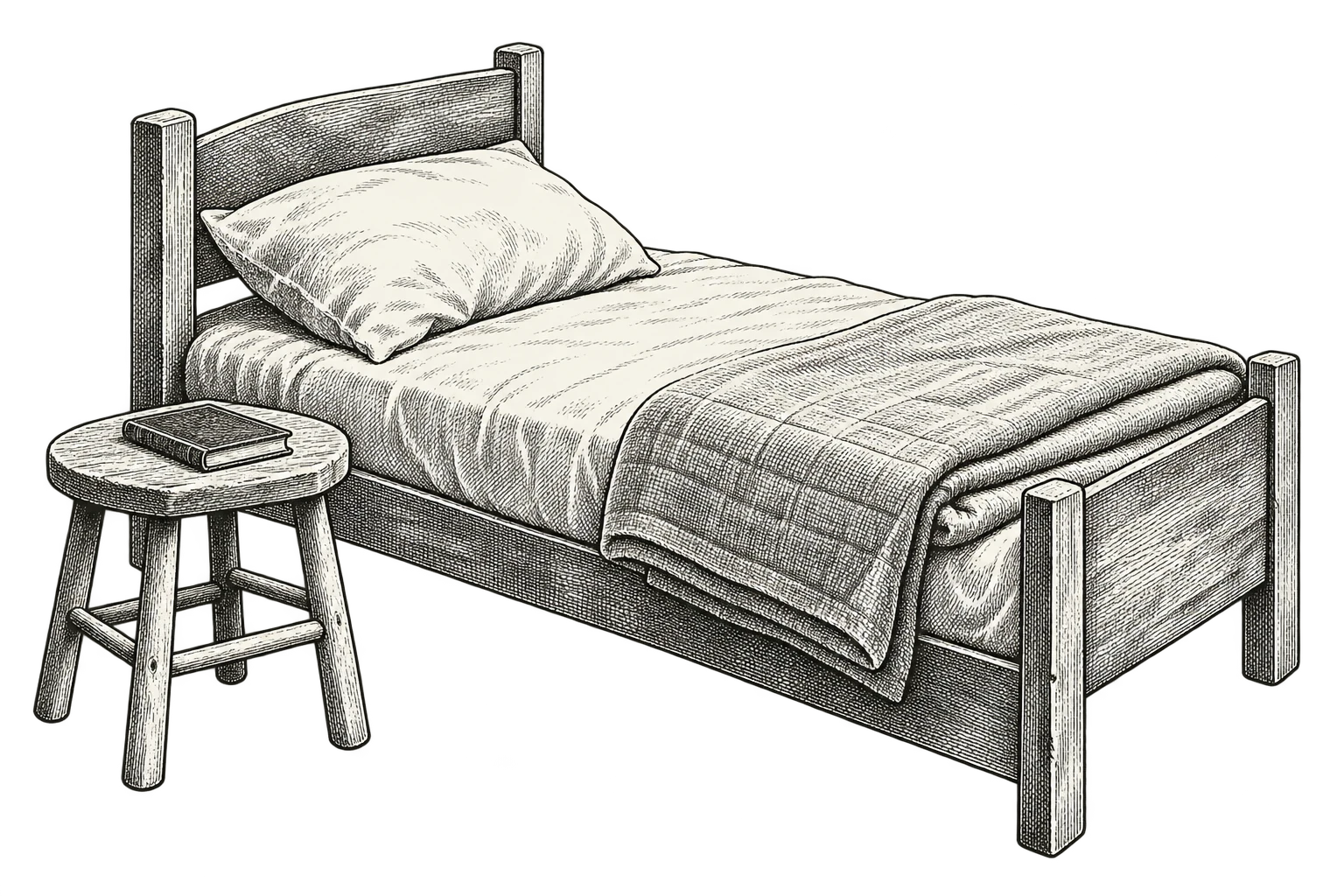
This is one of the shortest recipes in Noe’s collection. A strange bed, a salt-heavy drink, silence, and sleep are made to carry a confident claim about dreaming. Its brevity can make it sound less consequential than the longer charms around it.
We do not reproduce the drink as an instruction. The interesting historical question is how the recipe turns a bodily sensation into evidence that a dream should be trusted.
The body inside the prediction
The account explicitly connects thirst with the production of a dream. It then treats the unfamiliar bed as helping give that dream a special status. Those are different claims: an explanation for dream content and a promise about what the dream means.
They should not be collapsed into one. A dream influenced by discomfort does not become a dependable forecast merely because the discomfort was deliberately arranged.
A useful comparison
Place this passage beside a more elaborate dream charm in the same handbook. Some work through saints, some through objects, and this one through a physical preparation. The author’s confidence moves between them readily, while the actual actions differ a great deal.
For ordinary practice, keep sleep ordinary. A letter in a glove or a written question offers a defined symbolic arrangement without requiring this preparation. Such a working is a different method, not a substitute ingredient in the strange-bed recipe.
The short original is worth reading because almost every sentence makes a claim. Its length is not a reason to take those claims on trust.
Source and reading notes
The printed bodily preparation is discussed, not prescribed. This post does not make recommendations about changing food, drink, or sleep to induce predictive dreams.
A. H. Noe, The Witches’ Dream Book; and Fortune Teller (1885). “Strange bed,” p. 88.